Lake Charles • Comprehensive Thoracic Care
World-Class Lung & Thoracic Cancer Care
Without the Big-City Hassle.
From low-dose CT screening and robotic biopsy (ION) to advanced thoracic robotic surgery and ERAS recovery, Gulf Coast Lung & Longevity Institute brings big-academic outcomes to Lake Charles.
Serving individuals, families, and employers across the Gulf Coast.
See if You Qualify for Lung Screening
Answer a few quick questions. Our team will review and contact you.

Not sure where to start? We’ll help you decide if screening, optimization, or consultation is right for you.
Who We Help
From Screening to Complex Thoracic Surgery
You shouldn’t need to travel to Houston or New Orleans to access world-class lung cancer care. Our Lake Charles center serves:
Individuals & Families
Former and current smokers, patients with lung nodules, and anyone facing a new lung cancer diagnosis.
Employers & Unions
Refining, petrochemical, and industrial employers seeking to reduce catastrophic lung cancer claims.
Regional & International Patients
Patients traveling for robotic thoracic surgery, ERAS recovery, and second opinions in a calm Gulf Coast setting.
One Integrated Lung & Thoracic Pathway
From first scan to long-term survivorship, each step is designed around evidence, precision, and recovery.
Lung Screening
Low-dose CT to detect lung cancer years earlier, when it’s most curable.
Robotic Biopsy
Robotic bronchoscopy and image-guided diagnosis for tiny and hard-to-reach nodules.
Robotic Thoracic Surgery
Minimally invasive lung, esophagus, and mediastinal surgery with shorter stays and faster return to life.
Optimization & ERAS
ABCDE+S optimization and ERAS protocols to help you recover stronger and sooner after surgery.

About Your Surgeon
Dr. Beckles, Board-Certified Thoracic Surgeon
Harvard-affiliated fellowship training at Brigham and Women’s Hospital. High-volume experience in Minimally Invasive Surgery, thoracic surgery, lung cancer, esophageal and complex airway procedures.
Prevention-driven, screening-first philosophy
ERAS and ABCDE+S optimization for every eligible patient
Multidisciplinary tumor board for complex decisions
Regional Cancer Center in Lake Charles, LA
Two Ways to Take the Next Step Today
Whether you’re a former smoker, recently found a lung nodule, or exploring treatment options, we’ll help you map the safest path forward.
1. Check Screening Eligibility
Takes 60 seconds. Ideal if you’ve smoked or been exposed to industrial environments.
2. Request a Consultation
Best if you already have imaging or a diagnosis and want a clear surgical or non-surgical plan.
Low-Dose CT Lung Screening in Lake Charles
You Quit Smoking, or NOT. Now Finish What You Started.
Lung screening catches cancer when it’s tiny, quiet, and highly curable — before symptoms steal your breath or your independence.
Most insured patients qualify with little or no out-of-pocket cost.
Who Qualifies for Lung Screening?
We follow national guidelines (USPSTF and CMS) — and can still help if you fall slightly outside them.
Age 50–80 years
20 or more pack-years of smoking (for example, 1 pack/day for 20 years)
Current smoker or quit within the last 15 years
No symptoms such as coughing up blood or unexplained weight loss
If you don’t fit perfectly — for example, strong family history or heavy occupational exposure — we’ll still review your risk.
Quick Eligibility Checklist
Stage I vs Stage IV
>70% 5-year survival
Often treated with minimally invasive surgery. Many patients go home in 1–2 days and return to normal activities within weeks.
<10% 5-year survival
Often requires chemotherapy, immunotherapy, and frequent hospital visits — with higher cost, more stress, and fewer options.
Why Lung Screening Matters — Especially on the Gulf Coast
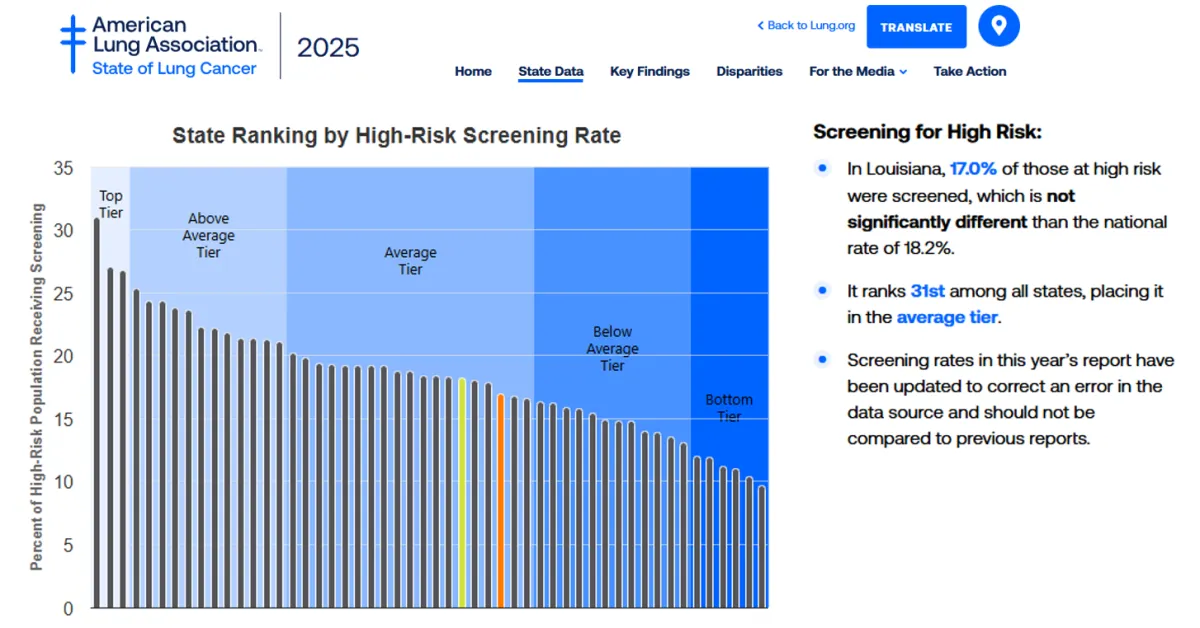
Lung cancer is still the #1 cause of cancer death — more than breast, colon, and prostate combined. But when we find it early, it’s often curable with surgery alone.
Living and working along the Gulf Coast often means exposure to refineries, shipyards, and industrial environments — on top of any prior smoking history. Screening is your chance to get ahead of silent disease, on your terms, close to home.
Our program is built on landmark trials like NLST and NELSON, which showed screening can cut lung cancer deaths by up to 20–26%.
What Happens If We Find Something?
Finding a lung nodule isn’t a failure — it’s a chance to act early, to buy back time and save money and prevent years of suffering. Our entire system is designed to move calmly and precisely from question to answer.
Screening CT
We identify any nodules or spots and classify your risk using evidence-based guidelines.
Robotic Biopsy (If Needed)
For higher-risk nodules, we use robotic bronchoscopy to sample tissue with millimeter precision.
Robotic Surgery
If surgery is the best option, we remove the cancer with the smallest incisions possible.
Recovery & Surveillance
ERAS and optimization help you heal faster. We follow you closely to keep you cancer-free.
You’re never sent into a large hospital maze. Our team walks with you from first scan to full recovery.
Heart + Lung Screening Bundle
Your lungs and heart age together. For eligible patients, we can combine lung screening with a coronary calcium score — a CT-based measure of hidden heart disease risk.
- Same visit, same scanner — more answers
- Quantifies plaque in your coronary arteries
- Helps your cardiologist tailor prevention
- Ideal for former smokers with additional risk factors
We’ll discuss whether the Heart + Lung bundle makes sense for your specific risk profile.
Is the Heart + Lung Bundle Right for You?
Tell us about your blood pressure, cholesterol, diabetes, and family history. We’ll give you a clear recommendation.

Lung Screening FAQ
Does lung screening hurt?
No. A low-dose CT scan is painless and noninvasive. No IV contrast needed. You lie on the table for a few minutes while the low dose CT scanner takes images of your chest. no pain, no intravenous lines or contrasts needed.
How often do I need screening?
Most high-risk patients benefit from yearly screening. After your first scan, we’ll personalize a schedule based on your results and risk factors.
Will my insurance cover it?
Medicare and most commercial insurers cover lung screening if you meet national criteria. If you don’t qualify, we offer transparent self-pay options (under $100 USD vs the price of chemo/RT/Surgery). Knowing early gives more options and chance for cure and longevity.
Ready to See Where You Stand?
Make the call today to take back control of your life and schedule — often within days, not weeks.
Prefer to talk to a person? Call our team and ask for the lung screening nurse navigator.
Advanced Minimally Invasive Thoracic Surgery
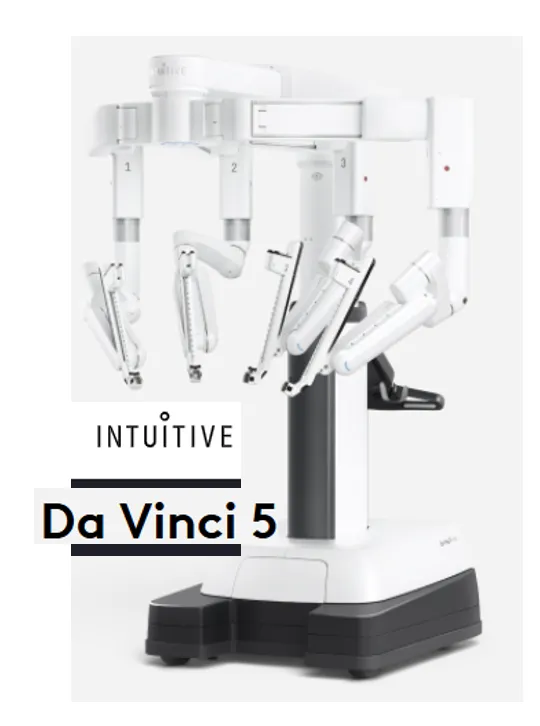
Robotic thoracic surgery combines small incisions, 3D visualization, and precise instrumentation — helping you breathe easier and recover faster.
Most patients are out of bed the same day and home within 1–3 days with little or NO PAIN.
Conditions Treated with Robotic & Minimally Invasive Thoracic Surgery
Lung
Lobectomy, segmentectomy, wedge resection, and more.
Esophagus
Esophagectomy, hiatal hernia repair, diaphragm plication anti-reflux surgery.
Thymus
Thymectomy for myasthenia gravis and thymic tumors.
Airway
Tracheal and bronchial resections, airway reconstruction.
Chest Wall
Chest wall tumors, rib resections, pectus correction.
Traditional vs Robotic Thoracic Surgery
| Factor | Traditional Open | Robotic Thoracic |
|---|---|---|
| Incision size | Large incision, rib spreading, more trauma | Several small keyhole incisions, less trauma |
| Pain & breathing | More pain, harder to take deep breaths | Less pain, easier to expand lungs fully |
| Hospital stay | 4–7 days for many procedures | 1–3 days for many patients |
| Recovery time | Slower return to work and activity | Faster return to walking, driving, and daily life |
Integrated with Enhanced Recovery (ERAS)
Robotic surgery is only half the story. ERAS protocols cover everything from nutrition and pain control to early walking — so your whole body recovers faster.
Optimization
ABCDE+S optimization, breathing exercises, nutrition, and strength.
Comfort & safety
Minimized opioids, lung-protective strategies, nausea prevention.
Early walking
You’re up, breathing deeply, and eating sooner than with traditional care.
Return to life
Structured follow-up and a clear roadmap back to work and activity.
Your Robotic Surgery Journey
Consult: Detailed review of your scans, overall health, and priorities. STS Risk Score Evaluation
Surgery: Robotic procedure with a focus on lung preservation when possible.
Recovery: ERAS-guided care with early walking and breathing support. Thoracic Evidenced based ERAS Protocols-less narcotic use, early recovery
Follow-up: Surveillance scans, symptom checks, and survivorship planning.
Outcomes & Evidence
Shorter Stays
Robotic and ERAS pathways are associated with 1–2 day shorter hospital stays, lowest compliactions for many lung resections.
Lower Complications
Meta-analyses show lower rates of pneumonia, blood transfusions, narcotic use and atrial fibrillation compared to open surgery in many centers.
Oncologic Quality
Robotic approaches allow thorough lymph node dissection and margin control that meet or exceed open standards which have shown longer survival benefits.
Multidisciplinary Tumor Board Review
Complex nodules and confirmed cancers are discussed with medical oncology, radiation oncology, radiology, and pathology. You don’t just get one opinion — you get the combined experience of a full Oncologic Team which is the standard at ALL Major Cancer Centers.
Next Steps: Call today to Upload Your Imaging for Review
Already have a CT or PET scan? Our team can review your images and provide a clear recommendation on biopsy, observation, or surgery.
Protect Your Workforce
Structured lung screening and rapid nodule workup for refineries, plants, and industrial employers across the Gulf Coast.
The Cost of Late Diagnosis
Direct medical costs
Late-stage lung cancer often means chemotherapy, immunotherapy, frequent admissions, and high specialty drug spend.
Indirect & productivity costs
Lost work days, overtime coverage, and replacement hiring for highly skilled workers.
Cost of screening versus cost of late stage therapy
Free screening by most insurances or under $100 out of pocket costs compared to six figures surgery costs, chemotherapy and radiation costs
Human impact
Families, teams, and communities affected by preventable late-stage disease.
Advanced Thoracic Surgery. Accessible Globally.
International patients travel to Lake Charles for robotic thoracic surgery, ERAS recovery, and a calmer healing environment.
Step 1: Telehealth Surgical Review
- Upload your imaging and key records securely
- Meet Dr. Beckles via video visit
- Discuss options in your home country vs. Lake Charles
- Receive a written summary and tentative plan
Airports
Guidance for flying into Lake Charles (LCH), Lafayette, or Houston with ground transfer options.
Hotels
Destination Resorts & hotels with options for accompanying family members.
Concierge
Dedicated coordinator to help with transportation, translation resources, and schedule planning.
A Transparent, Predictable Process
- Evaluation: Telehealth consult, imaging review, and written plan
- Procedure: Robotic surgery at our Lake Charles center
- Recovery: ERAS-guided inpatient stay and nearby lodging
- Follow-up: Shared care with your home physicians via telehealth
Contact the International Thoracic Care Team
Optimize Before Surgery. Recover Stronger.
Our ABCDE+S optimization program helps you go into surgery with the strongest lungs, muscles, and mindset possible.
What ABCDES Covers
Why Optimization Improves Outcomes
Studies in thoracic surgery show that prehabilitation — improving breathing, nutrition, and physical conditioning before surgery — lowers complications and shortens hospital stay.
Download the Pre-Surgery Optimization Checklist
Use this checklist with your family and local doctors to prepare for surgery — whether you have it in Lake Charles or elsewhere.
Enhanced Recovery After Surgery
ERAS is a proven, evidence-based approach to help you heal faster and get home sooner after thoracic surgery.
What Is ERAS?
- Uses the best available research to guide every step of care
- Reduces opioid use while keeping you comfortable
- Encourages early walking, eating, and breathing exercises
- Shortens hospital stay and lowers complication rates
Traditional Care vs ERAS
Traditional
Long fasting, more tubes and lines, higher opioid doses, and slower return to walking and eating.
ERAS
Shorter fasting, targeted pain control, early removal of drains, and a clear daily activity plan.
Recovery Timeline: What to Expect
Walking in the hallway, breathing exercises, pain well controlled.
Short walks at home, light activity, frequent check-ins.
Gradual increase in walking distance, many patients resume driving.
Return to most normal activities, with ongoing follow-up as needed.
Built on Evidence.
Every screening protocol, biopsy decision, and surgical plan is anchored in high-quality clinical data.
Screening Trial Data: NLST & NELSON
Landmark trials like NLST and NELSON showed that low-dose CT screening can reduce lung cancer mortality by 20–26% in high-risk individuals.
Frequently Asked Questions
Answers are organized by topic to help you find what you need quickly.
Screening: Who should get a lung screening?
Adults age 50–80 with a significant smoking history or comparable exposure often benefit from screening. We follow national criteria but also review individual risk.
Surgery: How long will I be in the hospital?
Many robotic lung surgery patients stay 1–3 days, depending on the procedure and overall health.
Insurance: Do you accept my insurance?
We work with most major insurers. Our team can verify your benefits and estimate out-of-pocket costs before you commit.
Travel: Can I come from out of state?
Yes. We regularly coordinate care for regional and international patients, including telehealth consults and travel guidance.
Corporate: Can you work with our existing occupational health vendor?
Yes. We can integrate with your existing vendors to deliver screening and reporting while keeping workflows simple.
Request a Consultation or Screening

Gulf Coast Lung & Longevity Institute
401 Dr. Michael DeBakey Drive, Lake Charles, Louisiana
Comprehensive lung screening, robotic thoracic surgery, and ERAS recovery close to home.